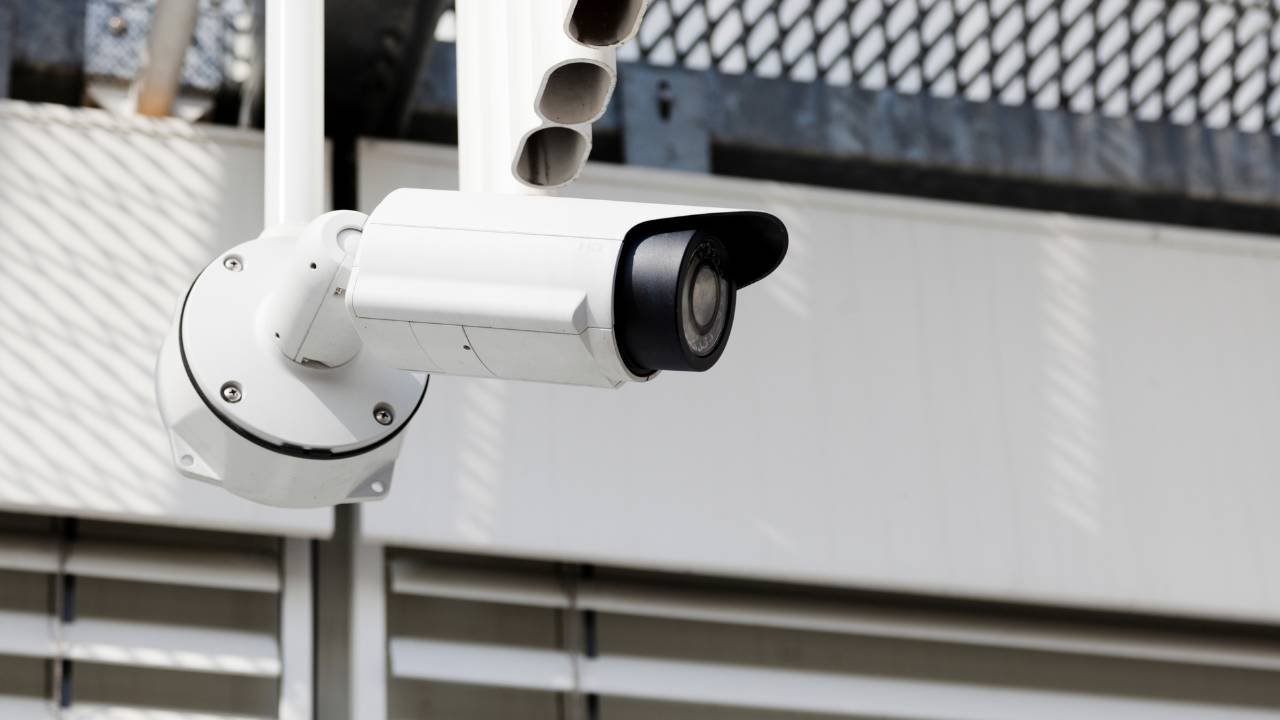
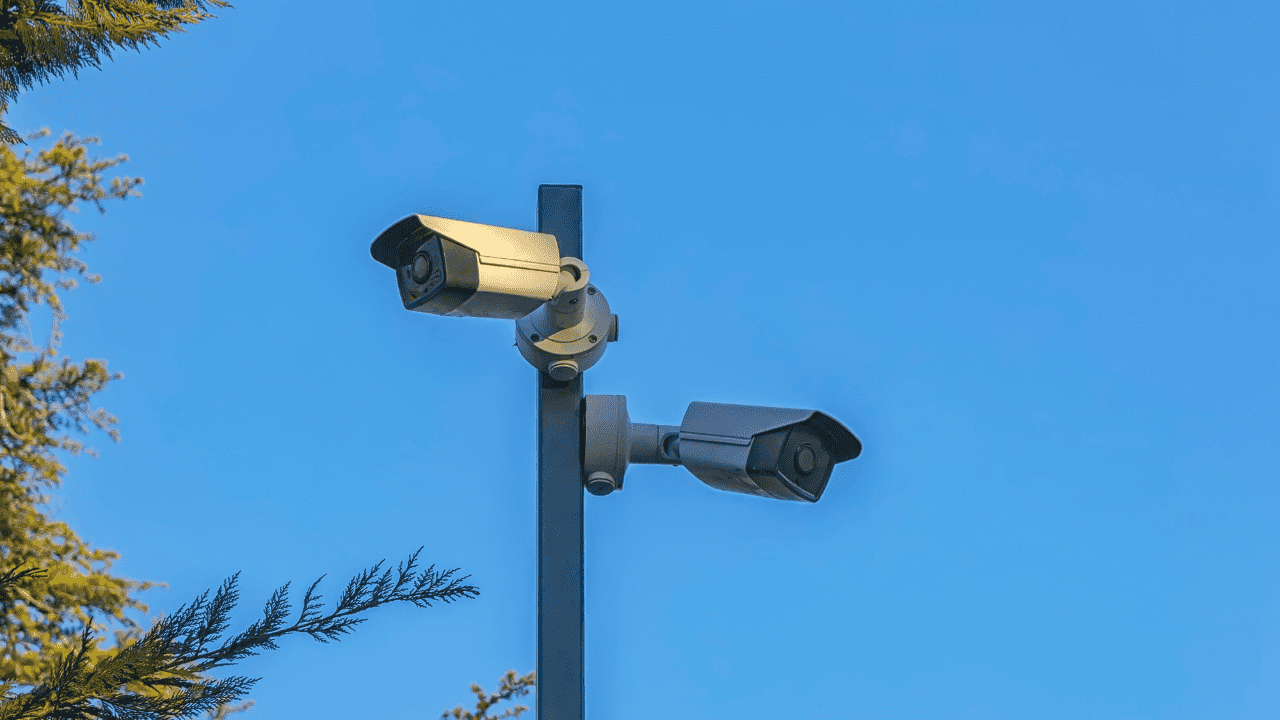
In today’s surveillance projects, a noticeable shift has emerged among professional installers who are moving away from DVR-based configurations and increasingly working with PoE NVR systems. The change is not abrupt, but rather a practical response shaped by evolving on-site requirements, expectations around deployment, and the need for more manageable long-term setups.
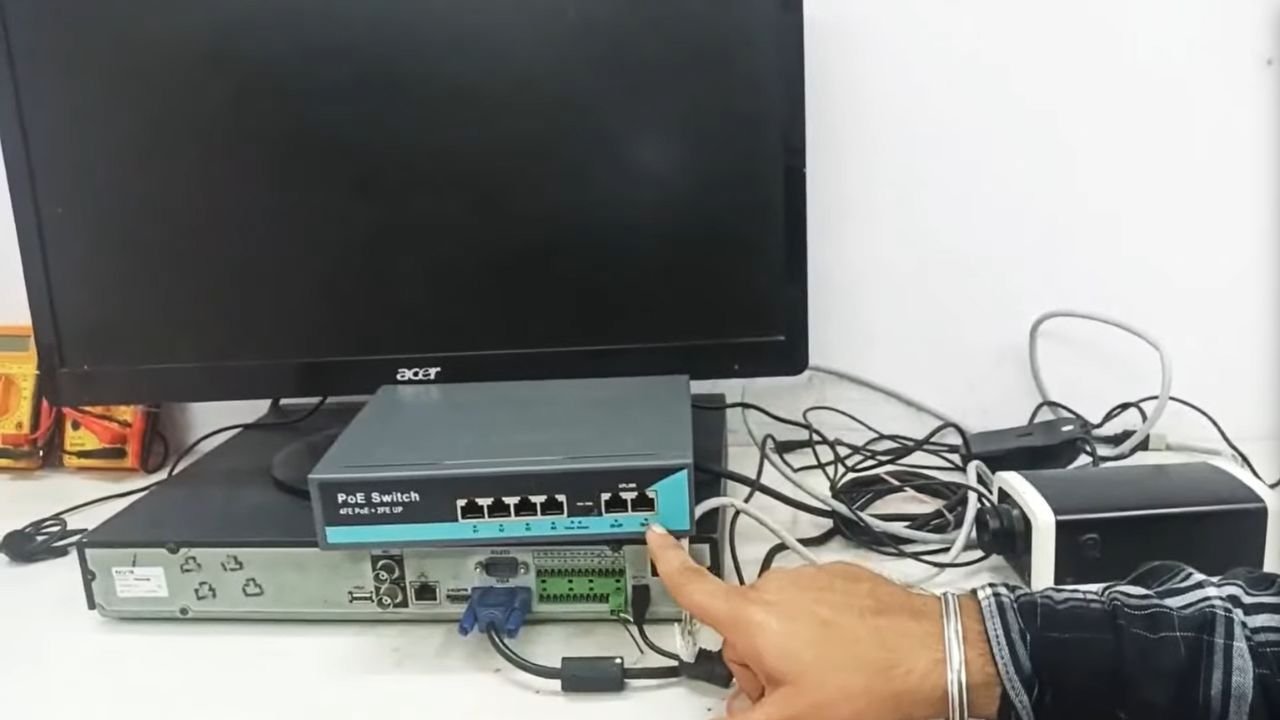
PoE NVR systems consolidate power and data transmission through a single Ethernet cable per camera, which naturally reduces the complexity of cabling. Compared with setups that require separate wiring for power and signal, the overall structure becomes more straightforward during installation, particularly in environments where time, labor coordination, and clean routing are important considerations.
NVR vs DVR in Real-World Deployment
When comparing NVR vs DVR, the underlying architecture is fundamentally different. DVR systems are built around coaxial connections and are traditionally paired with analog cameras, whereas NVR systems operate over IP networks and are designed for IP camera integration. This distinction influences not only compatibility but also how systems are planned and deployed across different project types.
Network-Based Architecture and System Expansion
From a deployment perspective, surveillance nvr systems align more closely with network-based infrastructures. Expanding a system typically involves adding additional IP cameras to the network rather than reworking physical cabling layouts. In projects where future scalability is anticipated, this approach tends to integrate more naturally into existing or planned network environments.
Alignment with Surveillance Solutions 2026
Current surveillance solutions 2026 continue to move in the direction of IP-centric architectures. Within that context, PoE NVR systems fit into workflows that already rely on network switches, structured cabling, and centralized management. Higher resolution imaging, along with unified control through network interfaces, is increasingly standard across commercial and residential installations alike.
Installation Efficiency and Practical Considerations
Installation considerations remain a central factor in system selection. Easy installation security systems are often preferred by installers managing multiple sites or tight schedules, and PoE-based configurations reduce the number of separate components that must be coordinated during setup. Fewer cable types and simplified termination points contribute to a more predictable installation process and more straightforward troubleshooting when adjustments are required.
Conclusion
Overall, the transition toward PoE NVR systems reflects how installation practices are adapting alongside network-based surveillance technologies. For installers working across varied project sizes and environments, NVR-based architectures provide a flexible framework that aligns with current IP surveillance standards while maintaining practical efficiency in deployment.
For bulk procurement, wholesale cooperation, or project-based inquiries, feel free to contat VIKYLIN team, just share your requirements so we can discuss pricing and supply options suitable for larger-scale deployments.