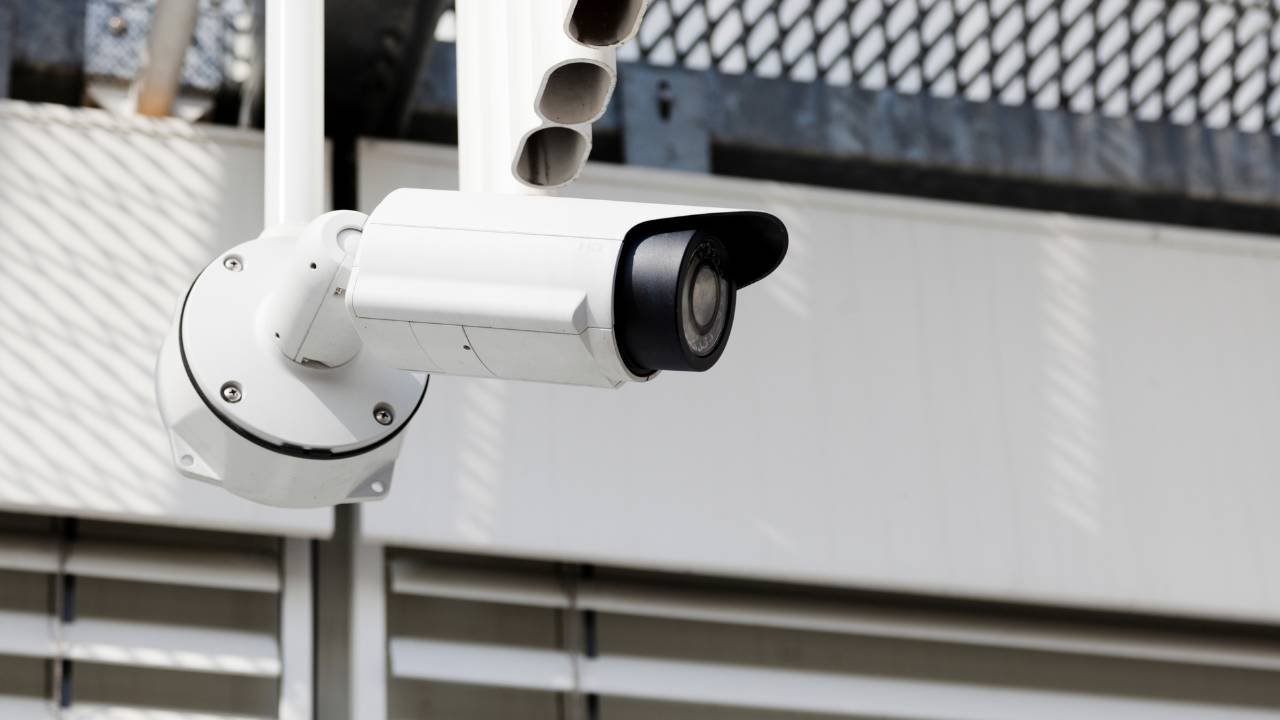
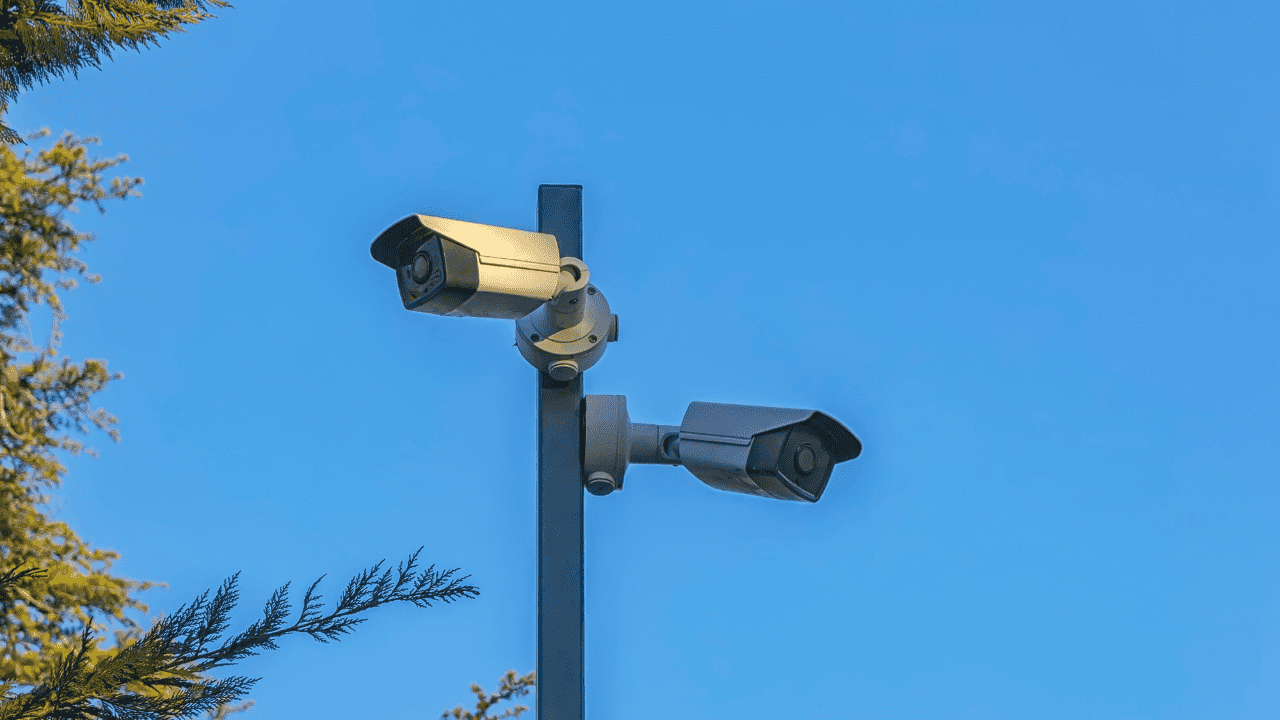
Selecting the right imaging approach for night surveillance depends on how each technology performs in real low-light environments and what level of visibility is expected in daily operation. In modern low-light surveillance cameras, two commonly used methods are full-color night vision and smart hybrid light technology. Both aim to deliver usable images in darkness, yet their working principles and output behavior are different.
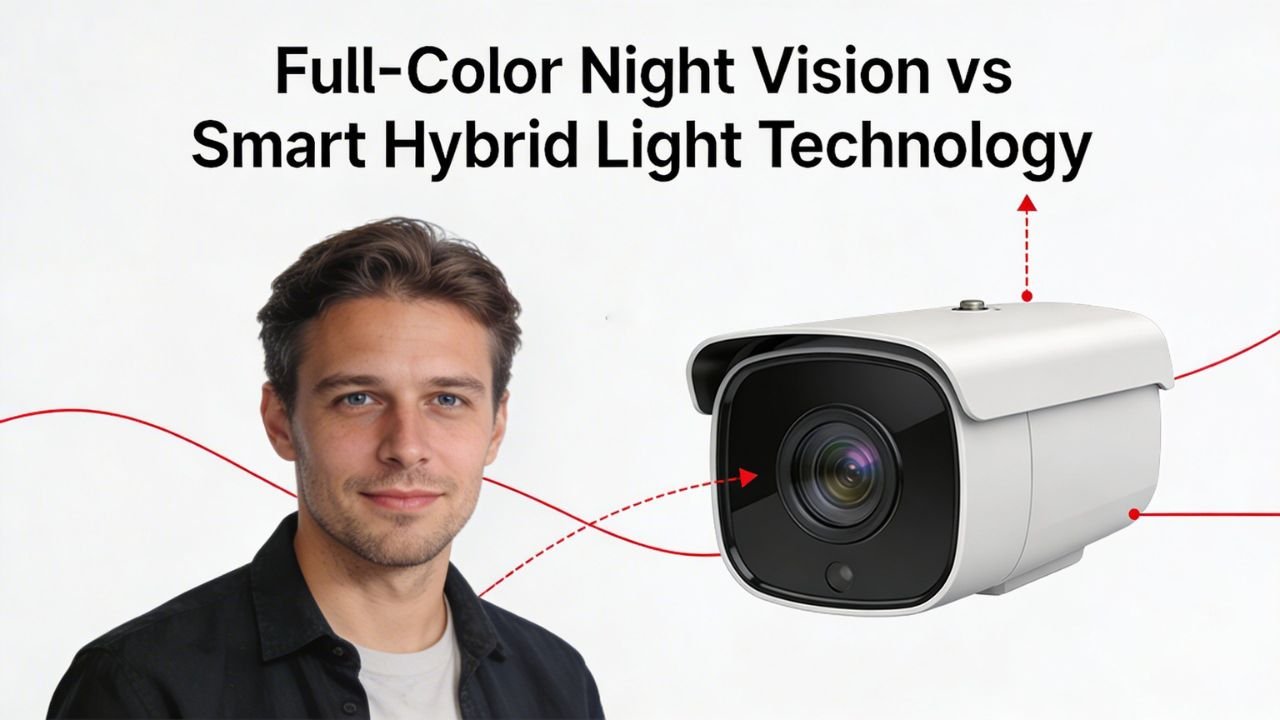
What Are Full-Color Night Vision Cameras?
Full-color night vision cameras are designed to maintain color imaging even when ambient light is limited. Instead of switching to infrared black-and-white mode, these cameras rely on enhanced image sensors together with supplemental white light to capture scenes in visible color during nighttime conditions.
In practical use, they can deliver continuous color output as long as there is enough illumination from the environment or from built-in lighting. Details such as clothing color, vehicle appearance, and object differences remain visible, which is useful when color information is required for review or identification.
Performance is closely related to lighting conditions. In very dark environments, maintaining stable color output depends on whether sufficient light is available in the scene.
What Is Smart Hybrid Light Technology?
Smart hybrid light technology integrates infrared (IR) and white light into one system, with automatic switching based on scene conditions. In low-activity or fully dark situations, the camera typically operates in infrared mode. When motion or events are detected, white light is activated to capture color images.
Infrared mode supports discreet monitoring in complete darkness, while white light is used only when clearer, color-based imaging is needed. This operating method is commonly applied in smart hybrid light PoE CCTV systems, where adaptive lighting plays a role in overall surveillance performance.
The system does not rely on a single lighting mode. Instead, it adjusts between IR and white light depending on activity and visibility requirements in the scene.
Key Differences in Practical Use
Full-color night vision cameras generally focus on maintaining continuous color output under sufficient lighting, while smart hybrid systems alternate between infrared and white light depending on conditions and events.
In terms of operation, hybrid systems avoid constant white light usage, since white illumination is only activated when necessary. Infrared mode remains less noticeable, which can be relevant in certain monitoring environments.
From an imaging perspective, full-color night vision emphasizes consistent color reproduction, whereas smart hybrid light technology balances between infrared monitoring and event-triggered color capture.
Choosing the Right Approach
The choice depends on the installation environment and monitoring requirements. Full-color night vision cameras are often used where continuous color detail is needed throughout the night and where lighting conditions are relatively stable.
Smart hybrid light systems are more suitable when adaptive lighting behavior is preferred, especially in scenarios where both discreet monitoring and color capture during events are required. In PoE-based deployments, smart hybrid light PoE CCTV systems are often selected for their flexible operation and straightforward integration.
Conclusion
Full-color night vision and smart hybrid light technology represent two different approaches to low-light surveillance, each with distinct behavior in how images are captured at night. Understanding their differences in lighting control and image output makes it easier to match the technology with specific monitoring needs.
For distributors, installers, and bulk buyers evaluating low-light surveillance cameras, reviewing these options in advance can support more consistent project decisions. For product details and wholesale inquiries, VIKYLIN can be contacted for further information.